PROJECT 01 / NISSAN 370Z
Body reconstruction & roll cage
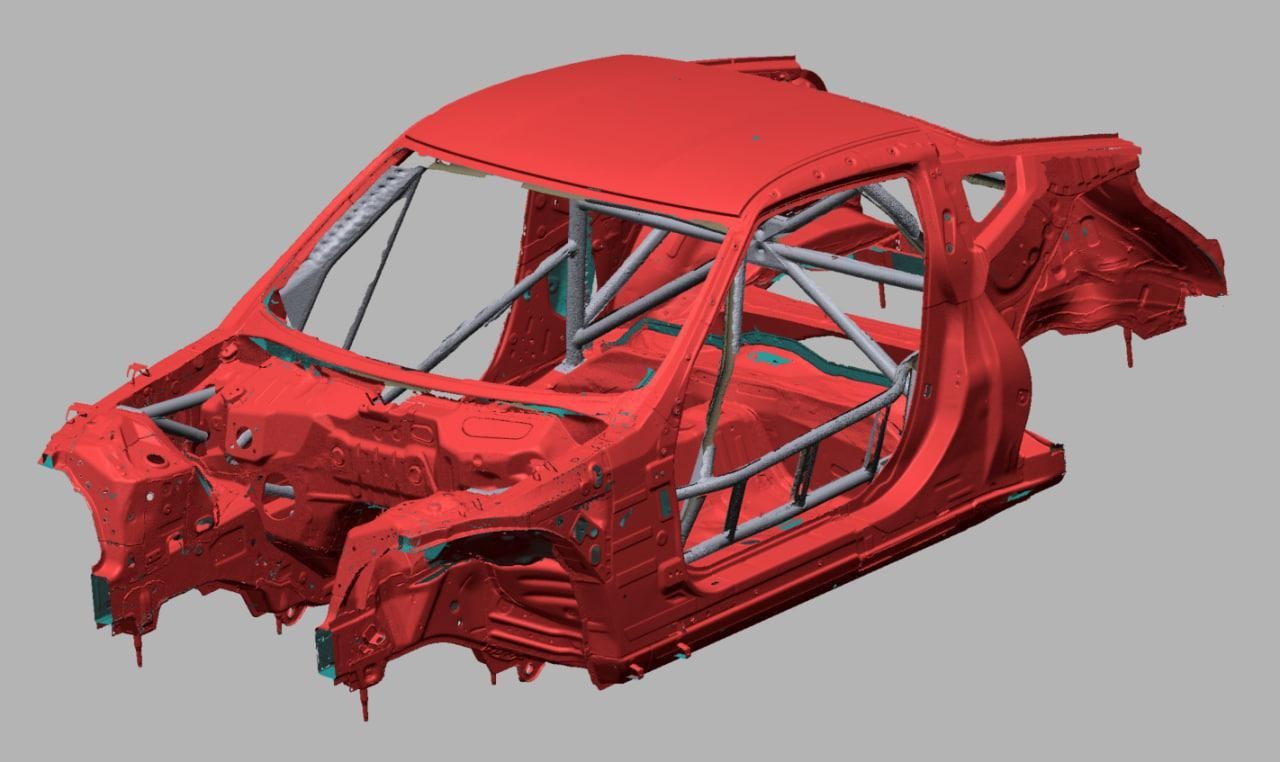
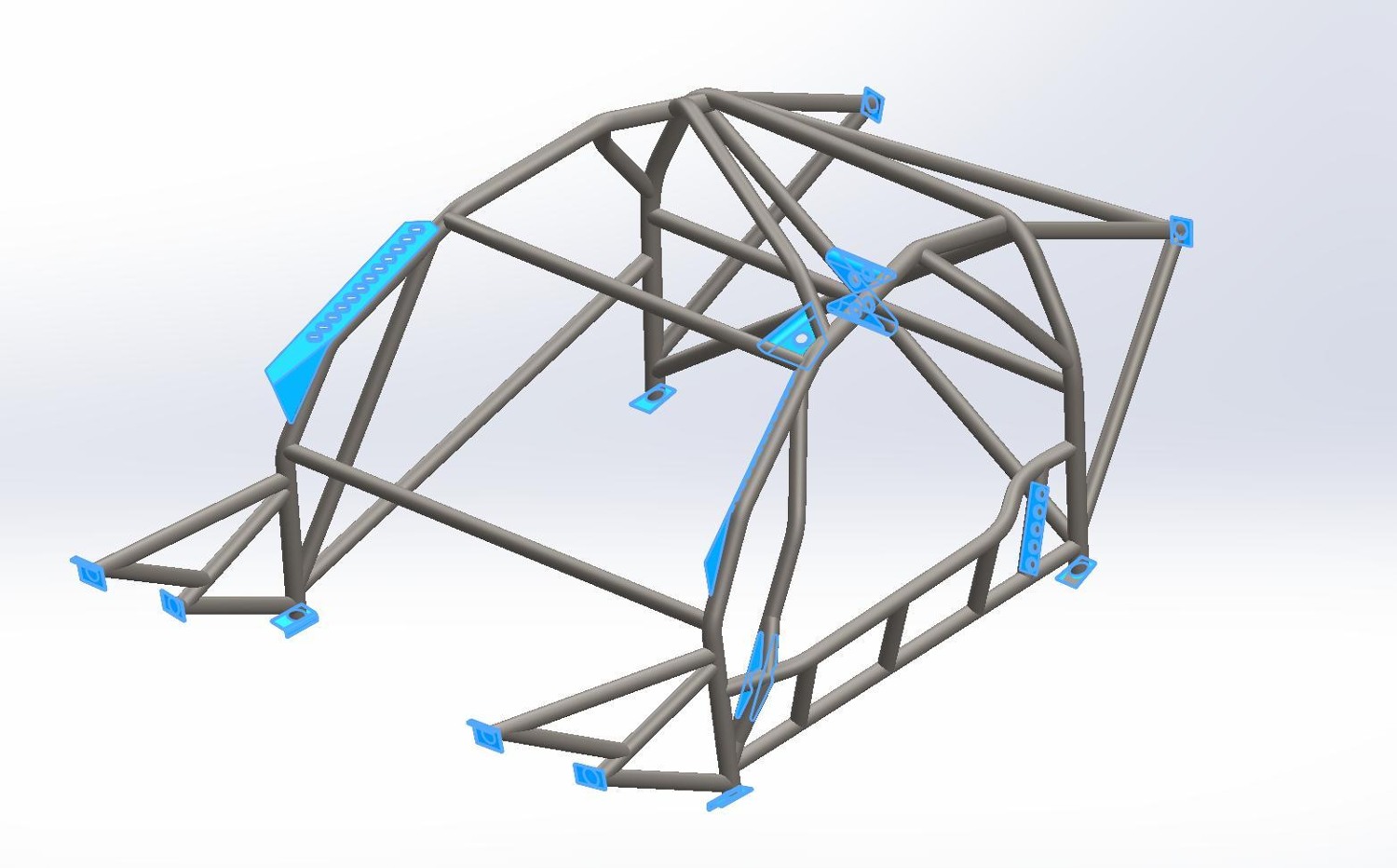
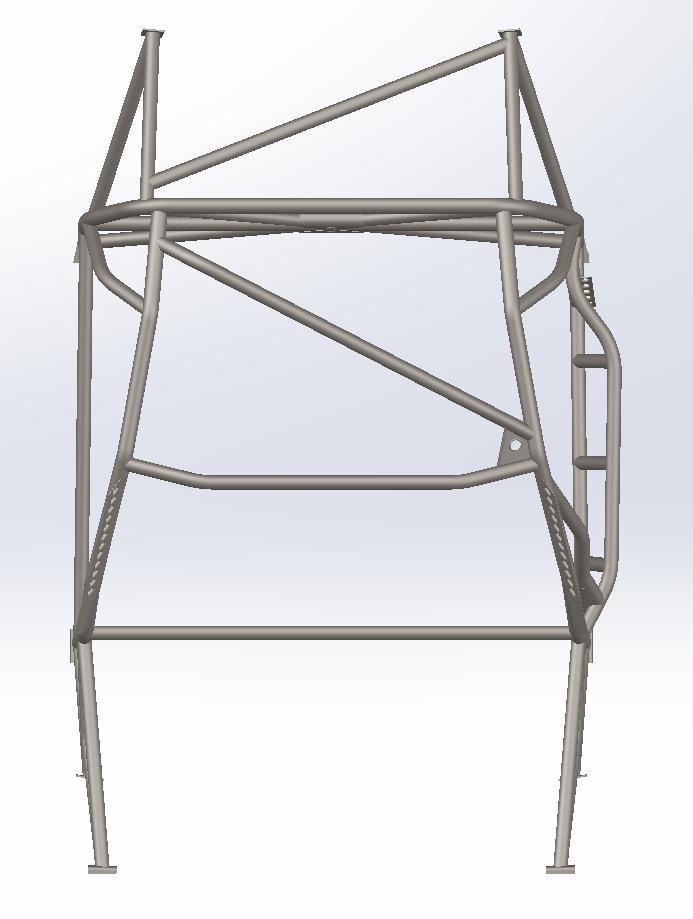
Partial shell scans aligned to a reference body. Body dimensions checked against factory data; the existing cage modeled from scan data and specified tube sizes.
Mechanical design, 3D modeling, and technical drawings for custom parts and assemblies. From reverse engineering to CAD prepared for CNC machining and 3D printing—with automotive and motorsport expertise.
From scanned vehicle bodies to printed parts and complex assemblies. Explore the projects behind the CAD.
Explore our project portfolio on Google Drive.
Selected engineering work by A. Voronin · From the supplied portfolio. Select an image to view it full size.
Partial shell scans aligned to a reference body. Body dimensions checked against factory data; the existing cage modeled from scan data and specified tube sizes.
A customer-supplied scan used to design a decorative LED mask, divided into sections for 3D printing. Developed for a drift car; not road-lighting homologated.
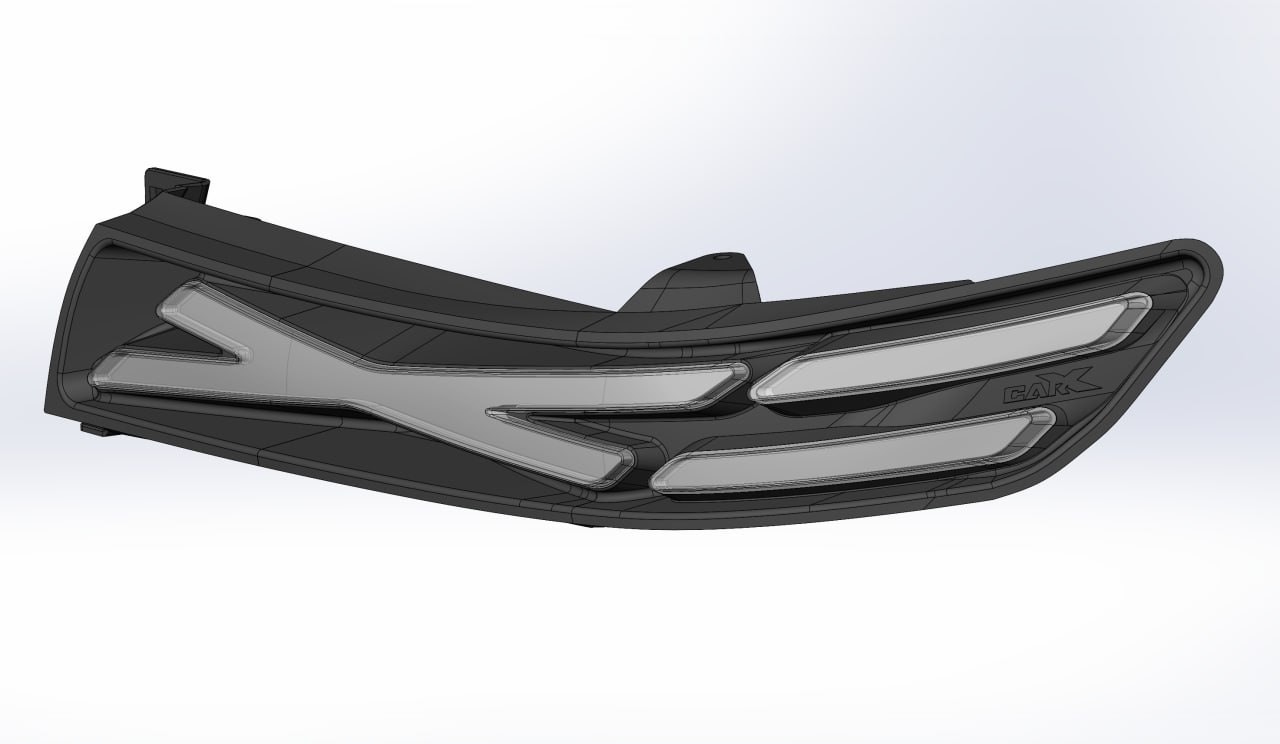
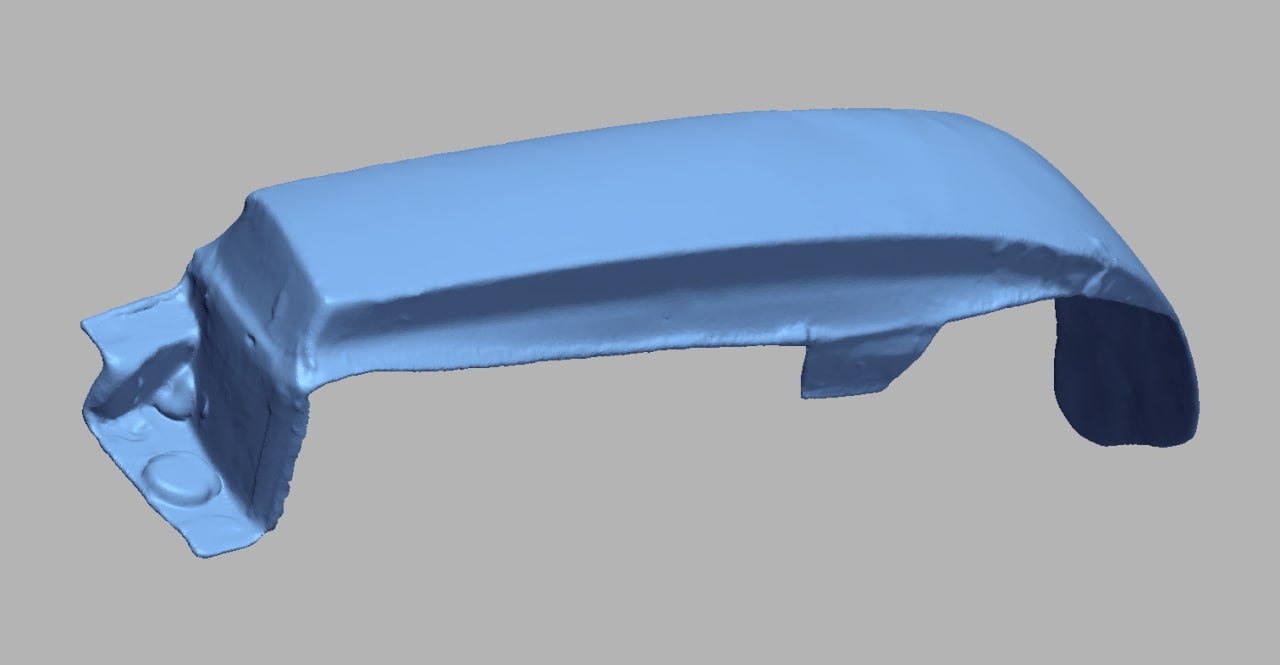
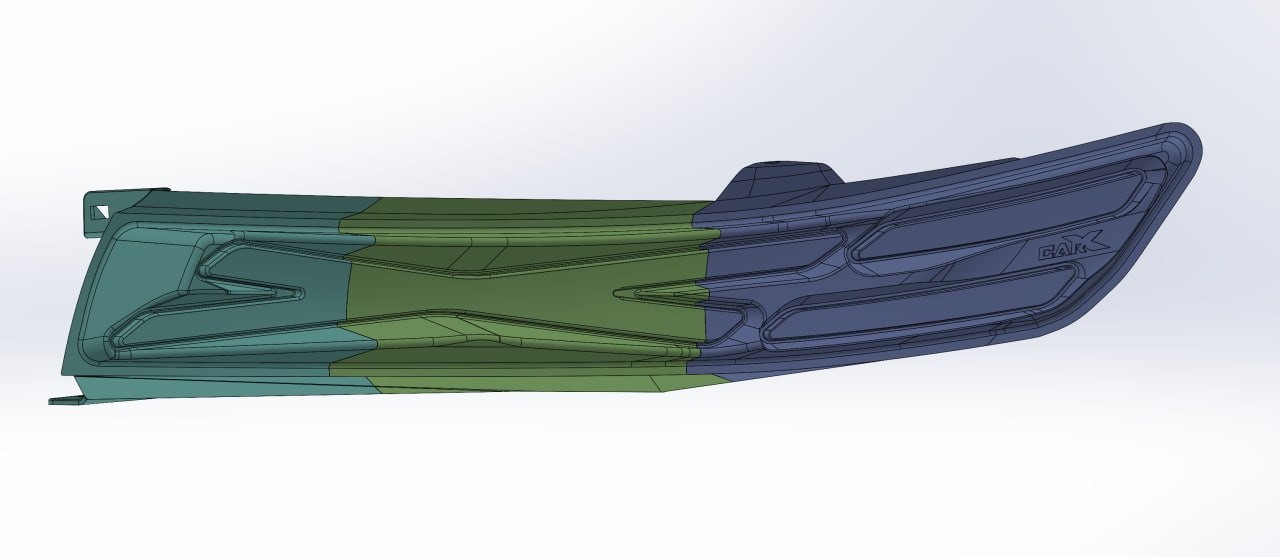
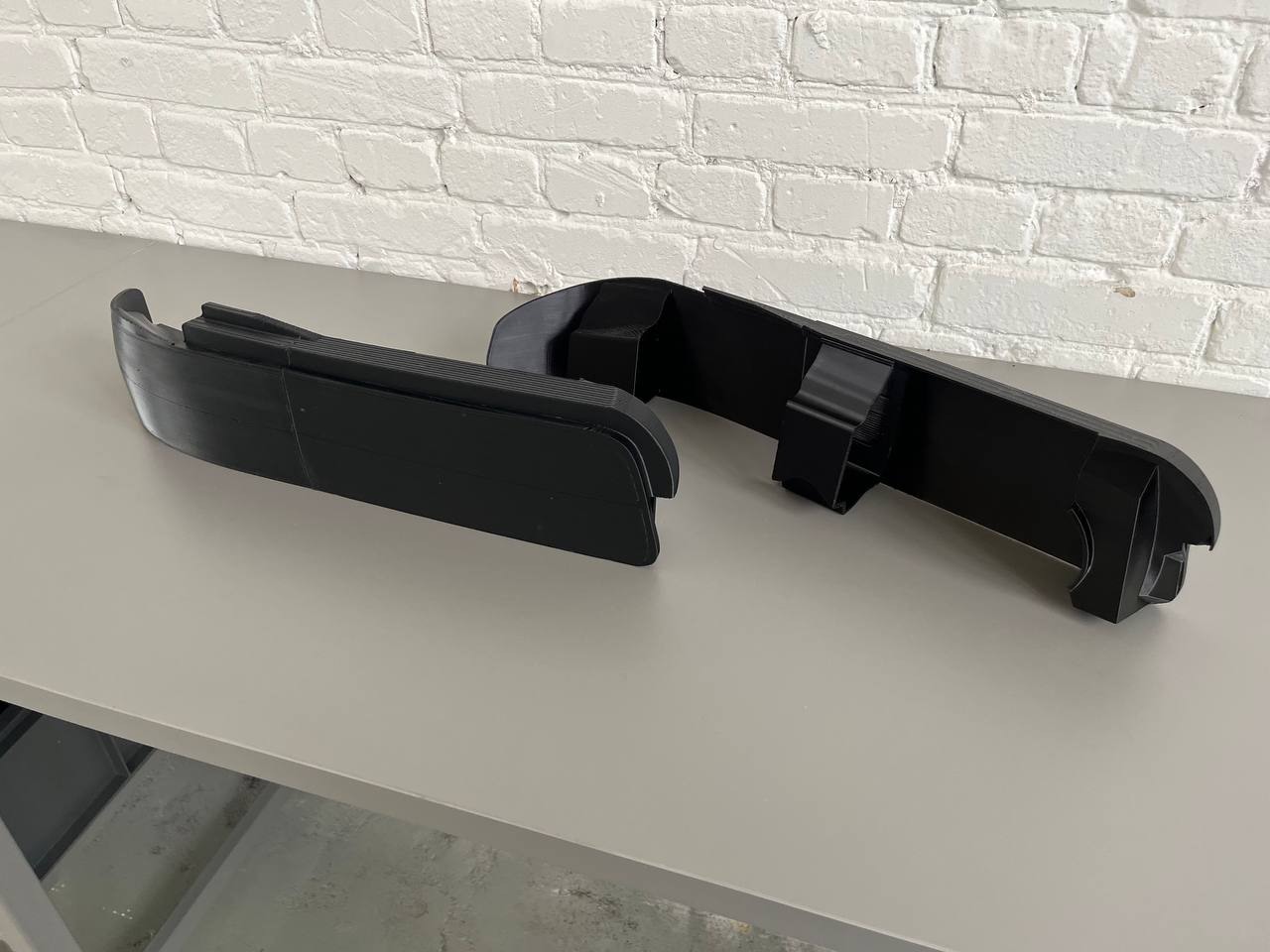
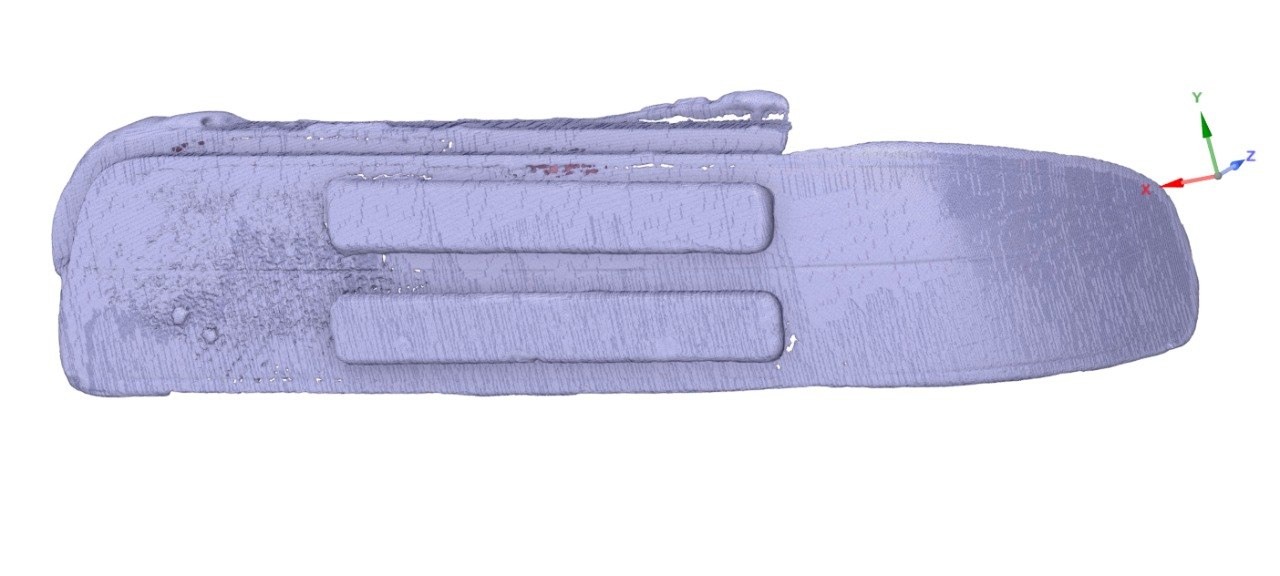
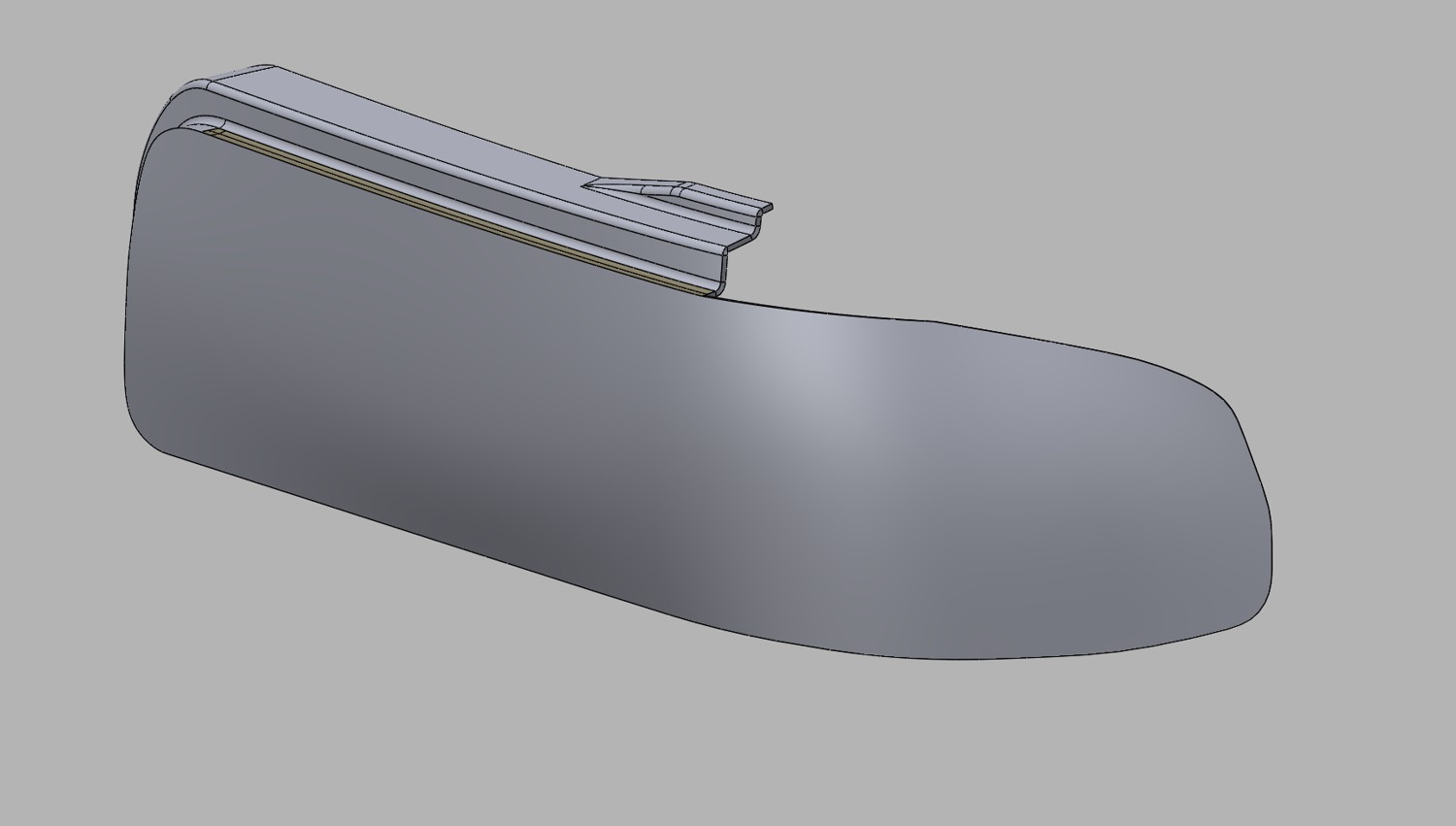
Tail light blanks modeled from customer scans. The finished PETG parts show the front surfaces and mounting features on the reverse side.
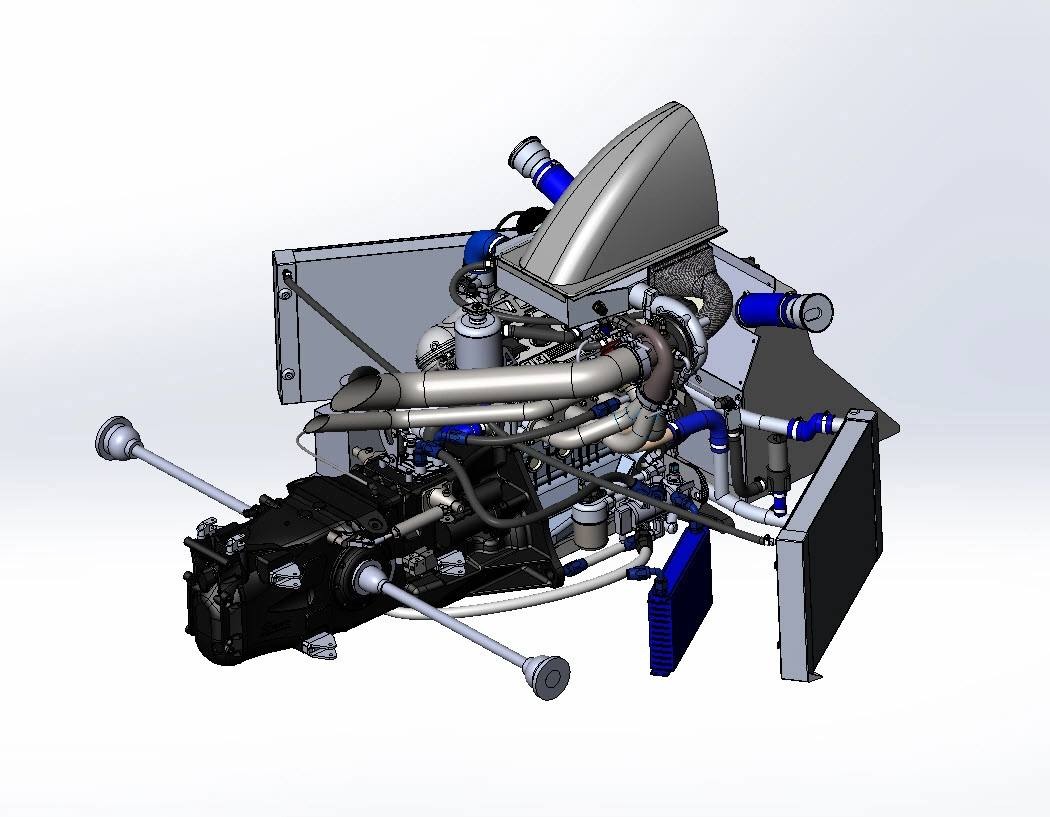
Intake, exhaust and cooling systems designed for an inline engine and packaged within the prototype chassis and rear suspension.
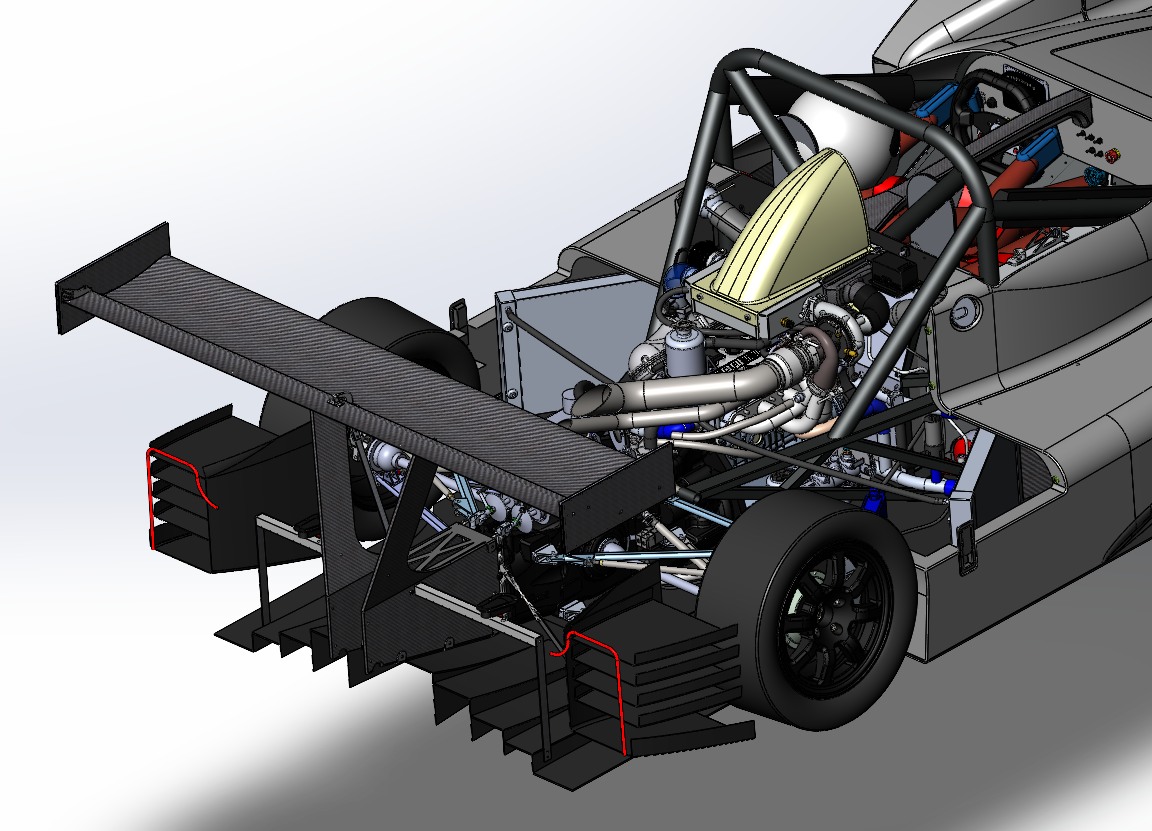
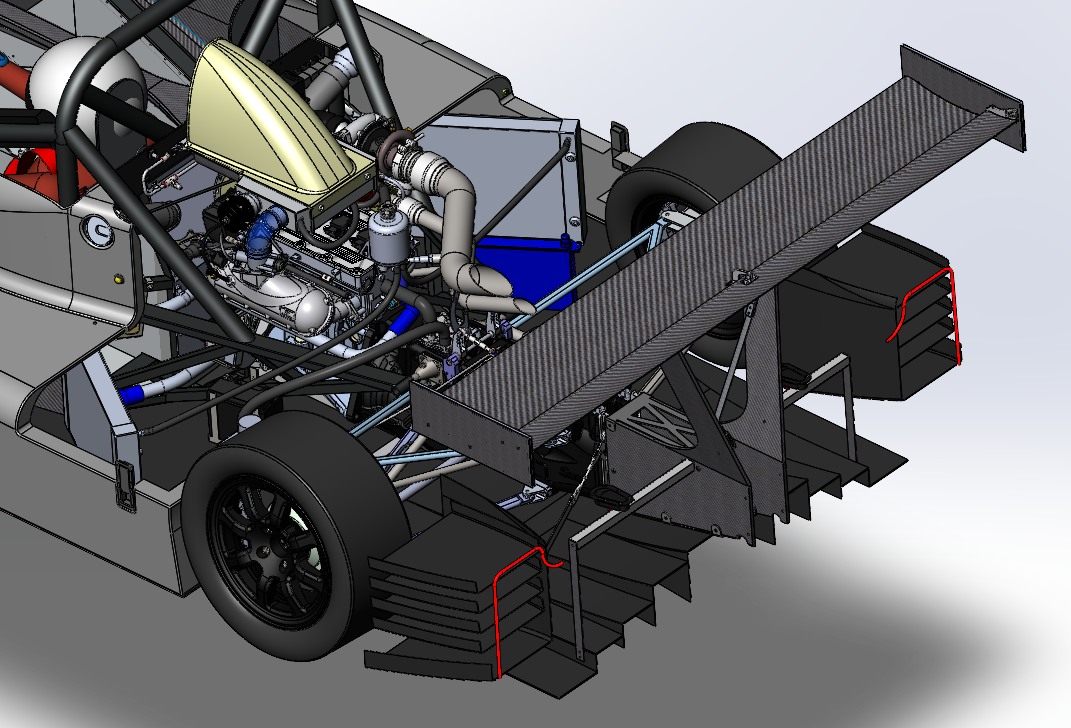
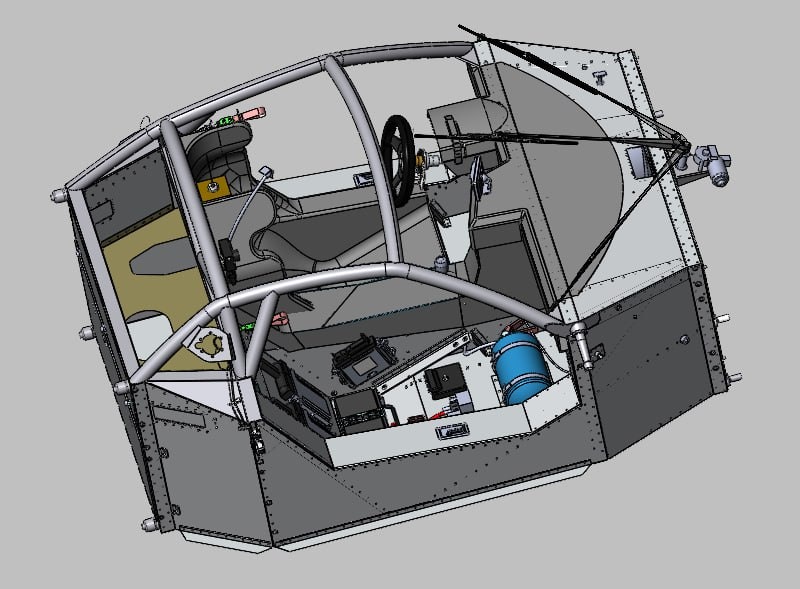
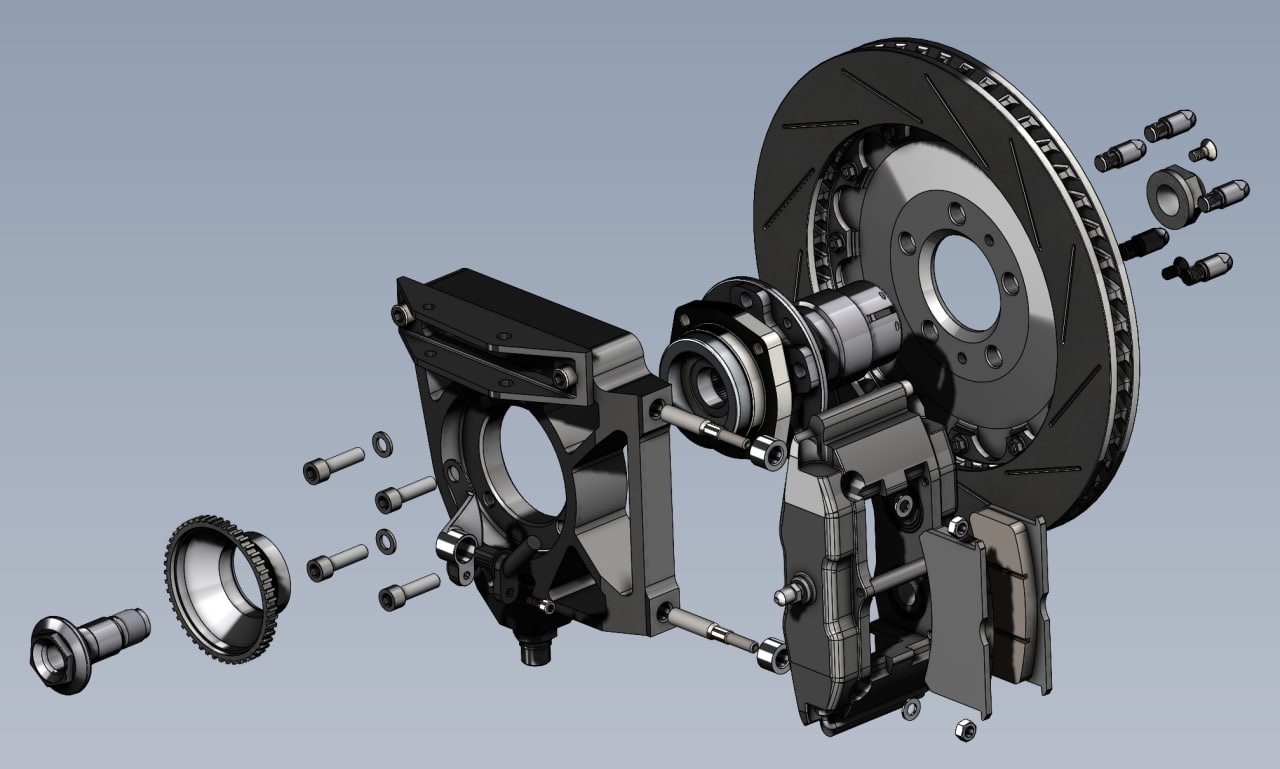
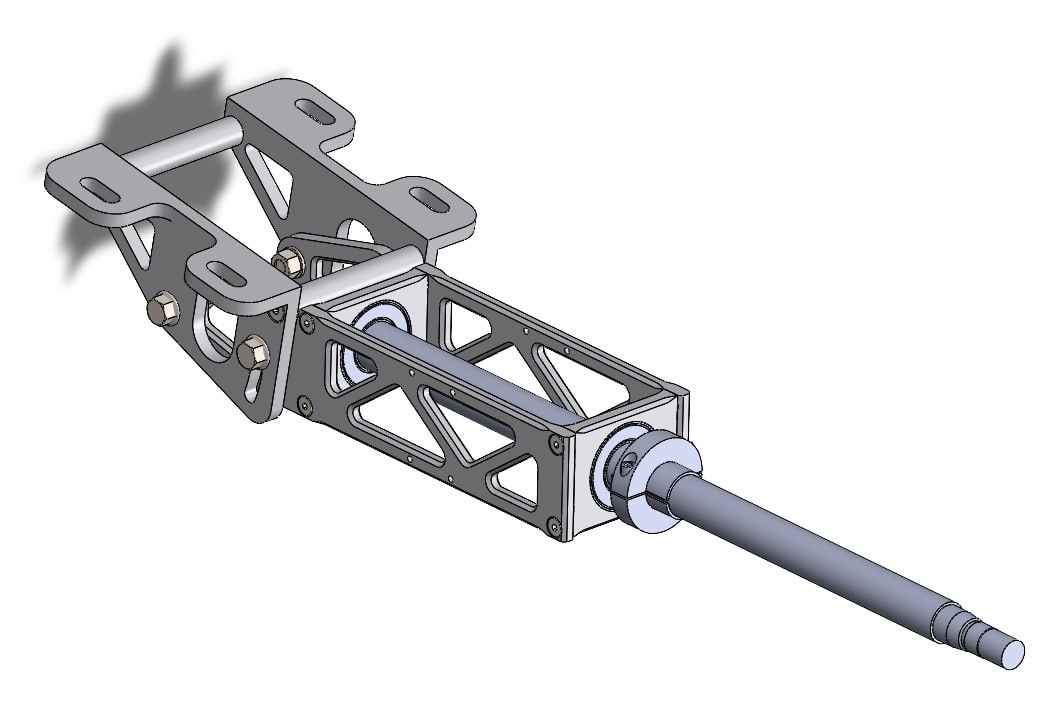
Marussia cockpit components developed within the vehicle assembly. Other work includes an existing wheel-end assembly modeled and modified for production, and an adjustable steering rack.
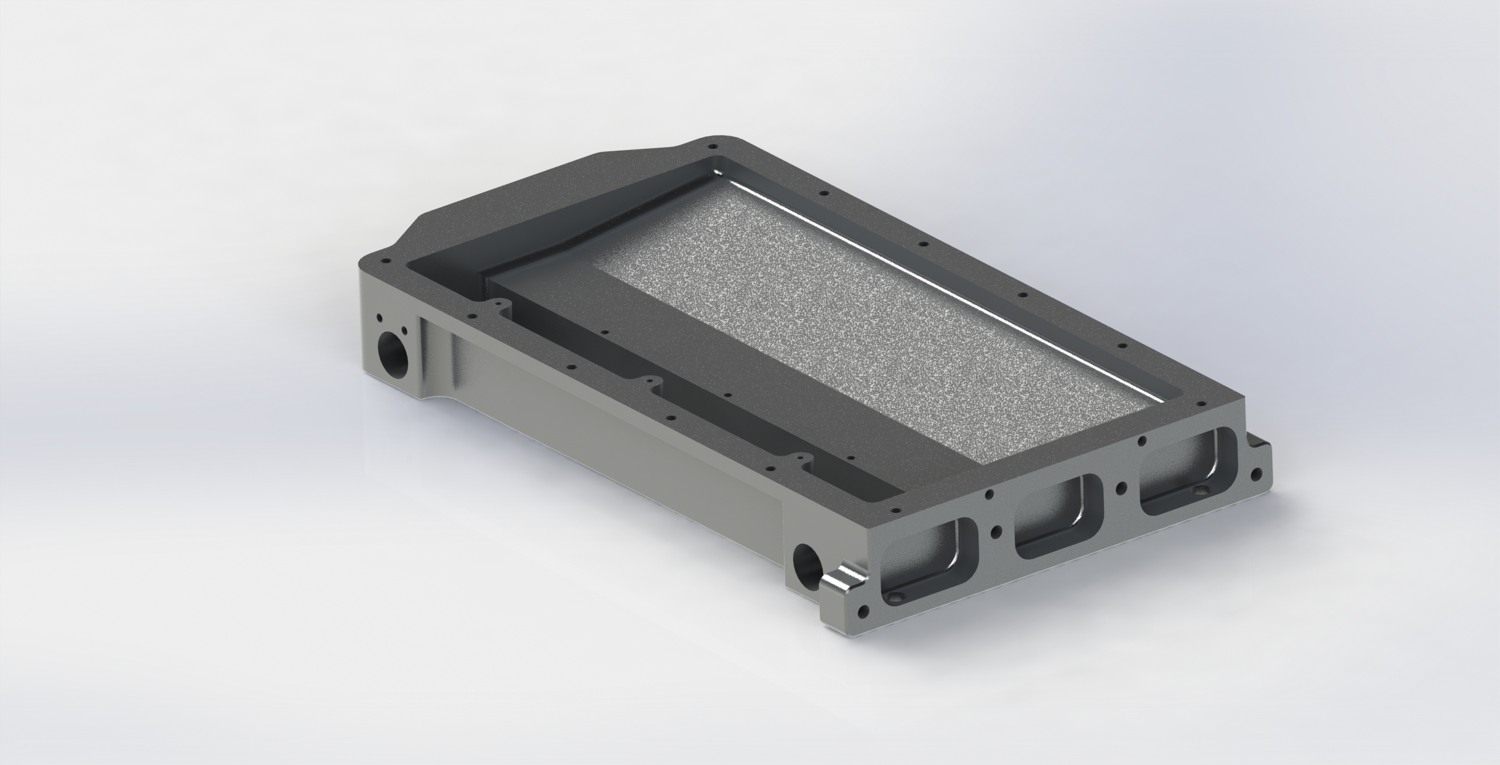
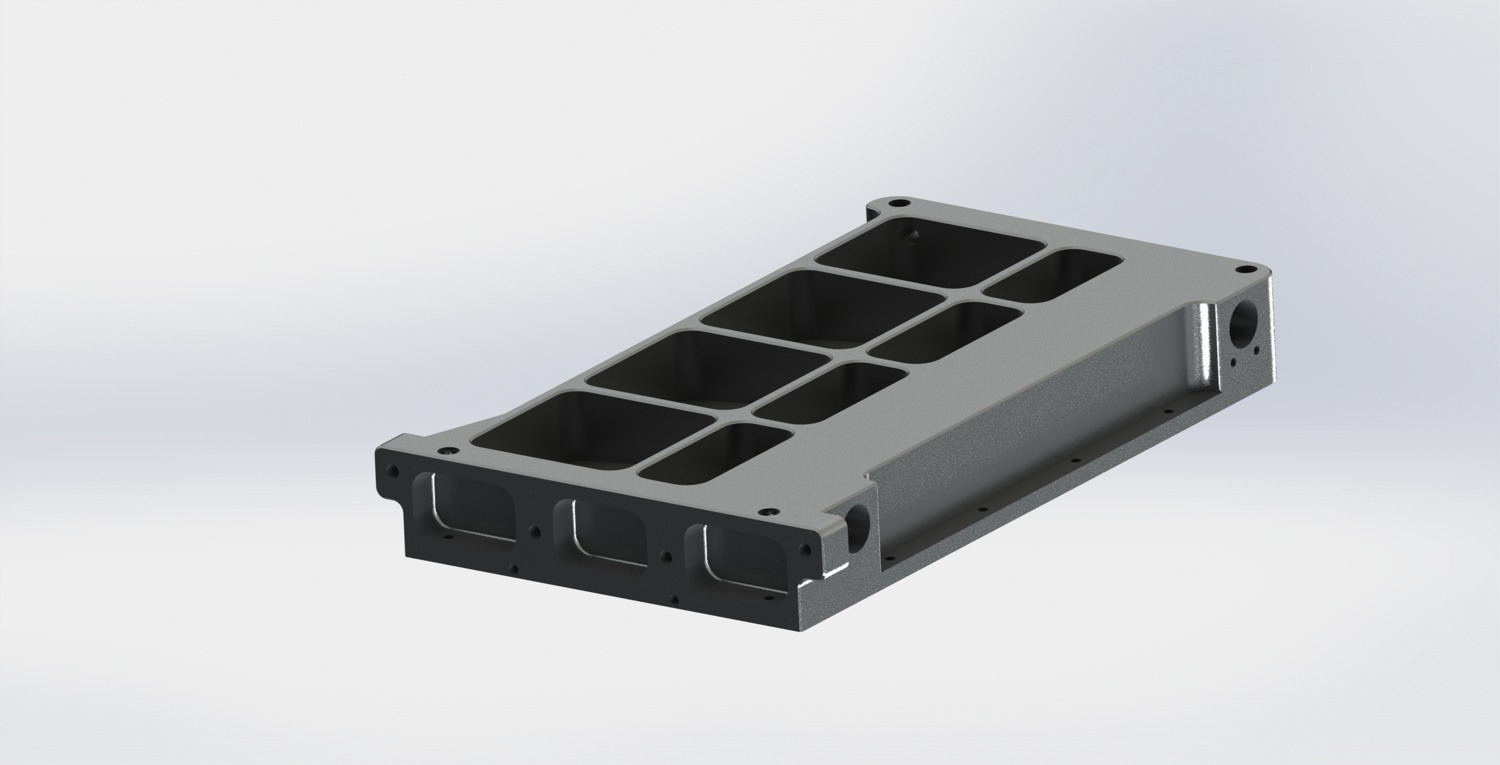
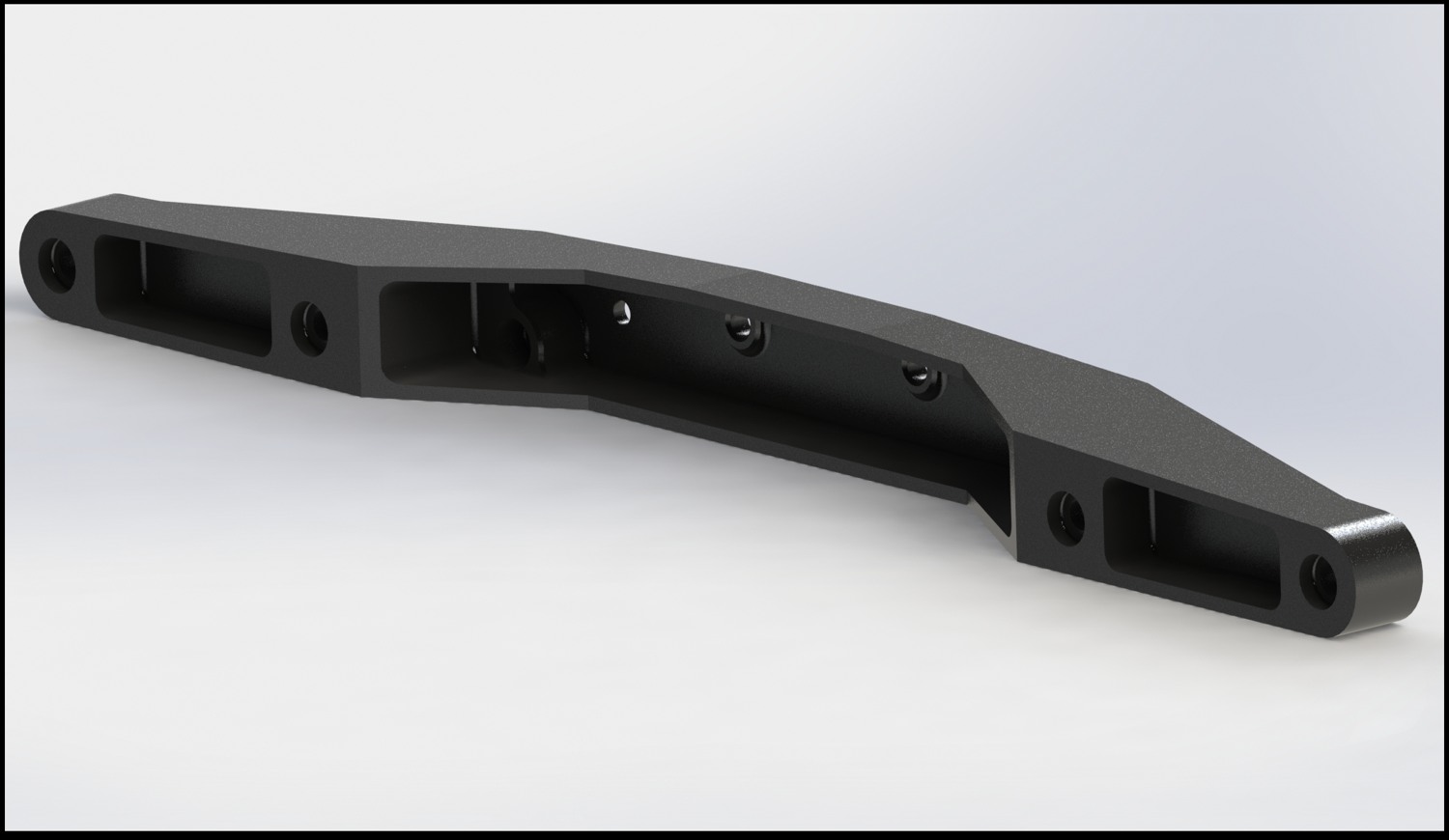
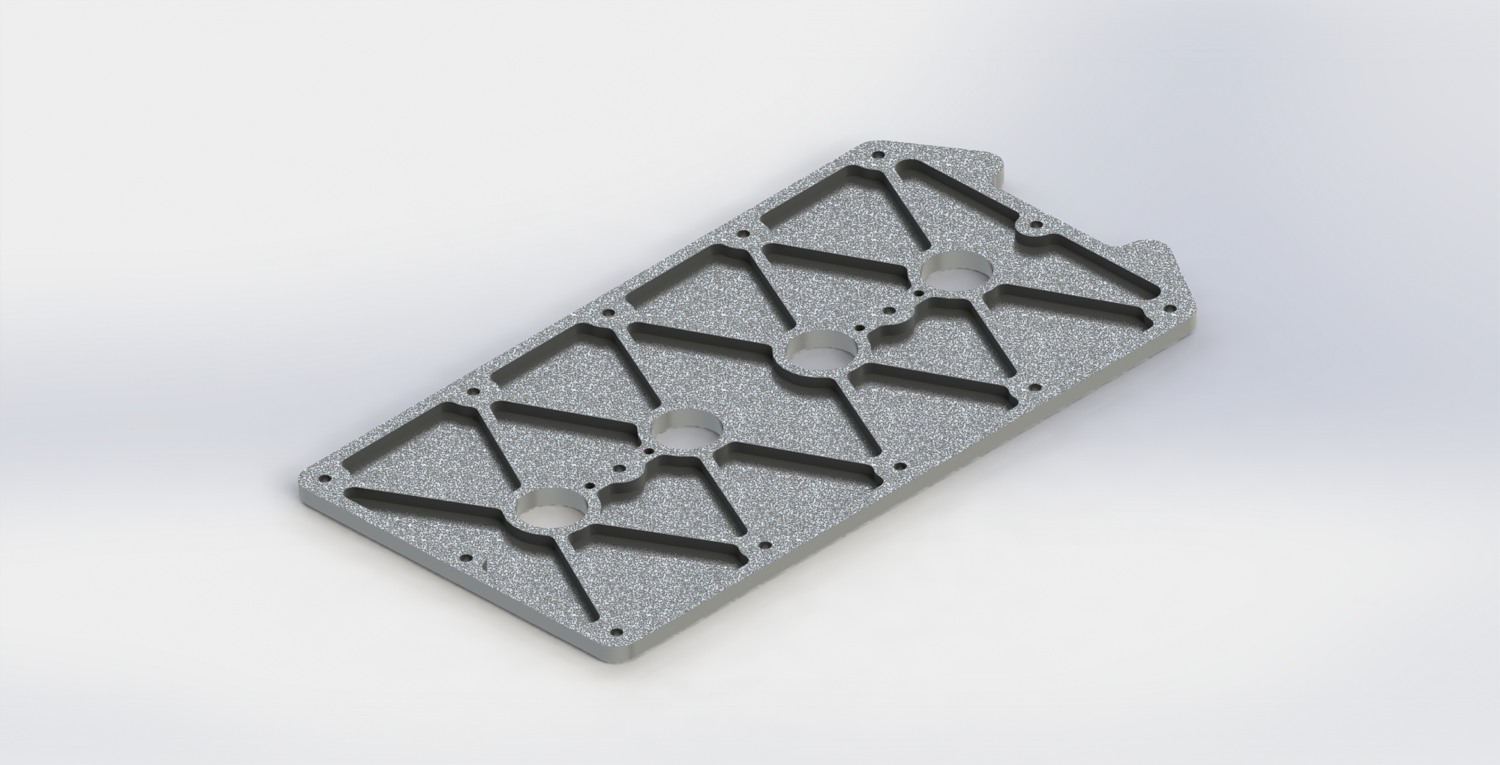
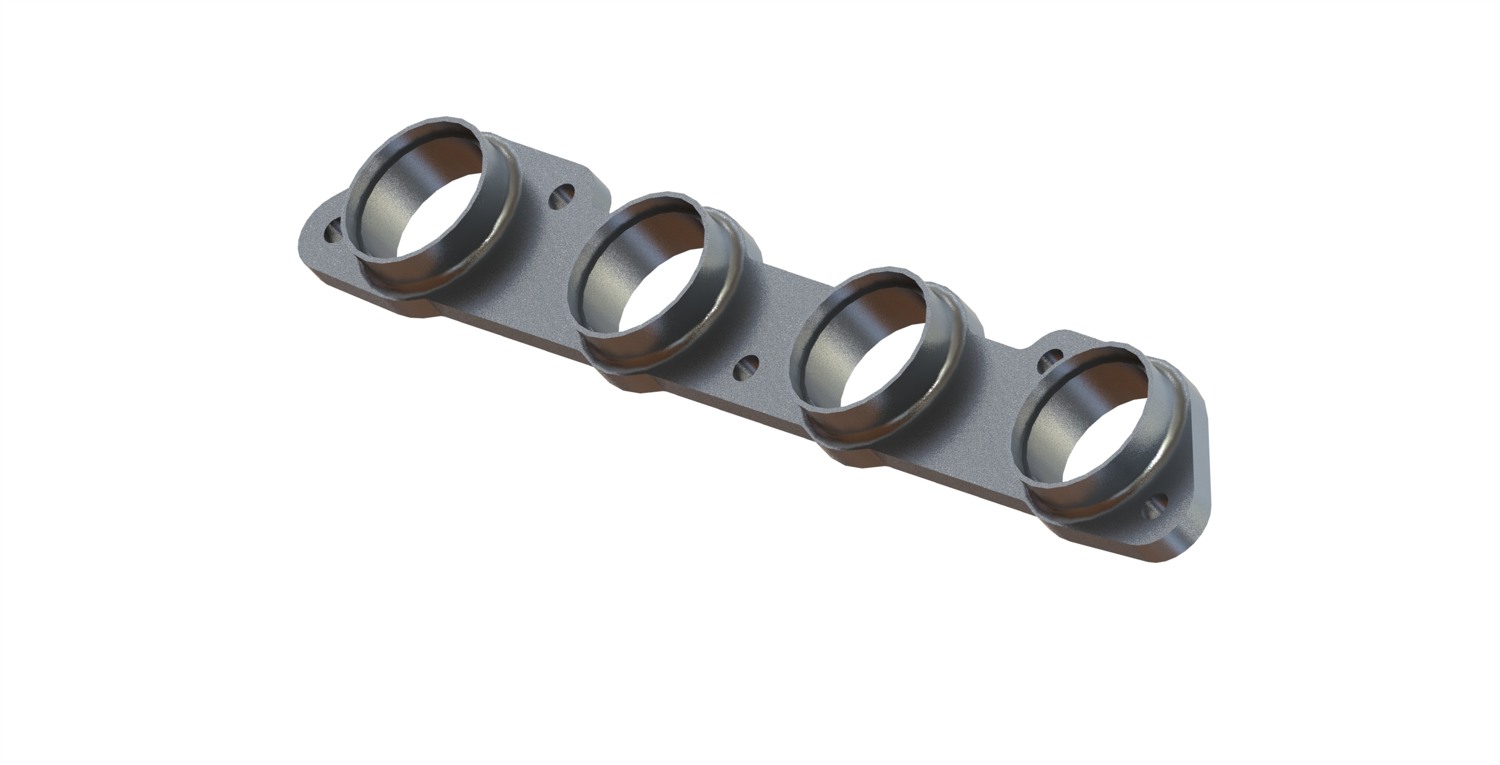
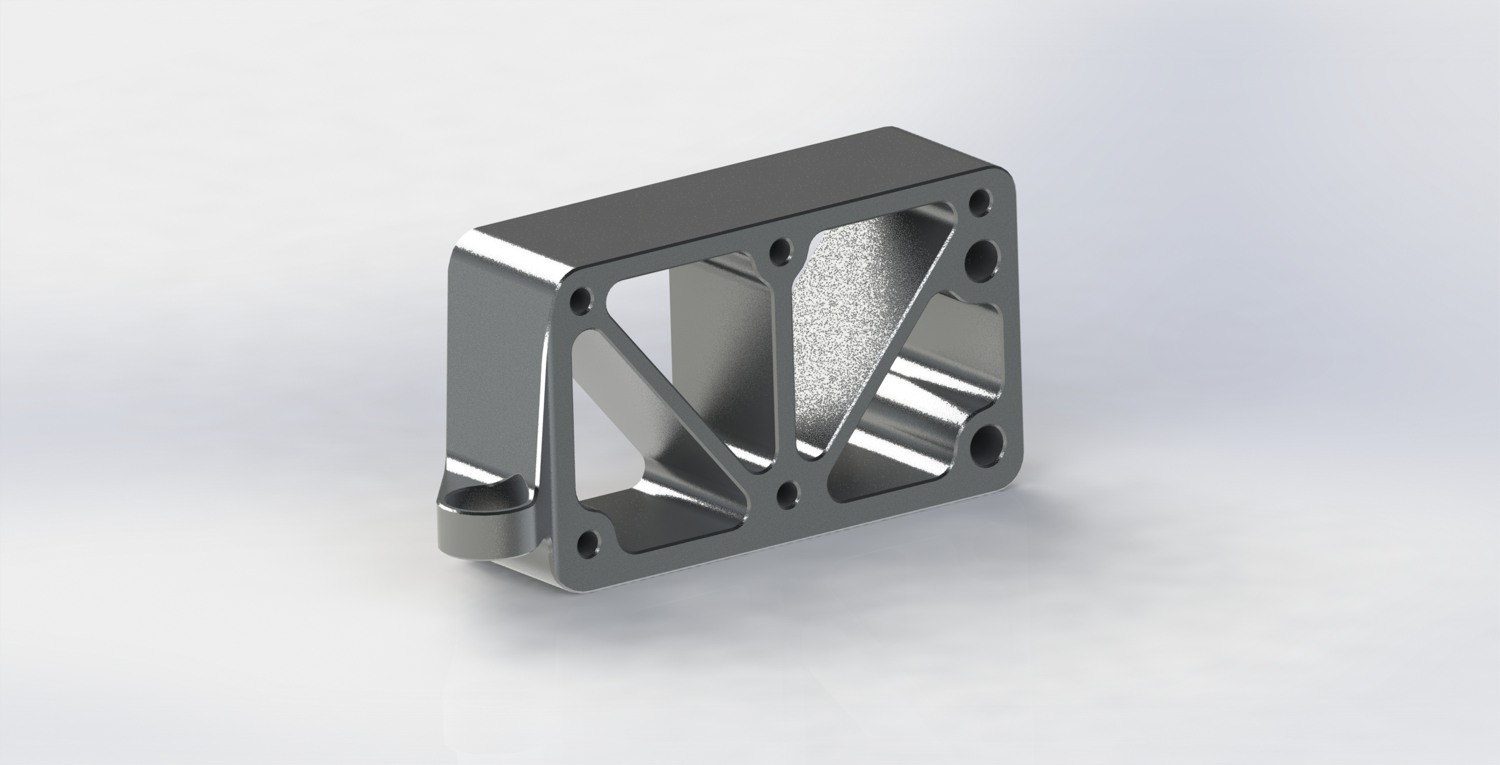
Mechanical parts designed for milling, including a 16-valve dry sump, crossmember, cover, intake flange and mounting bracket.
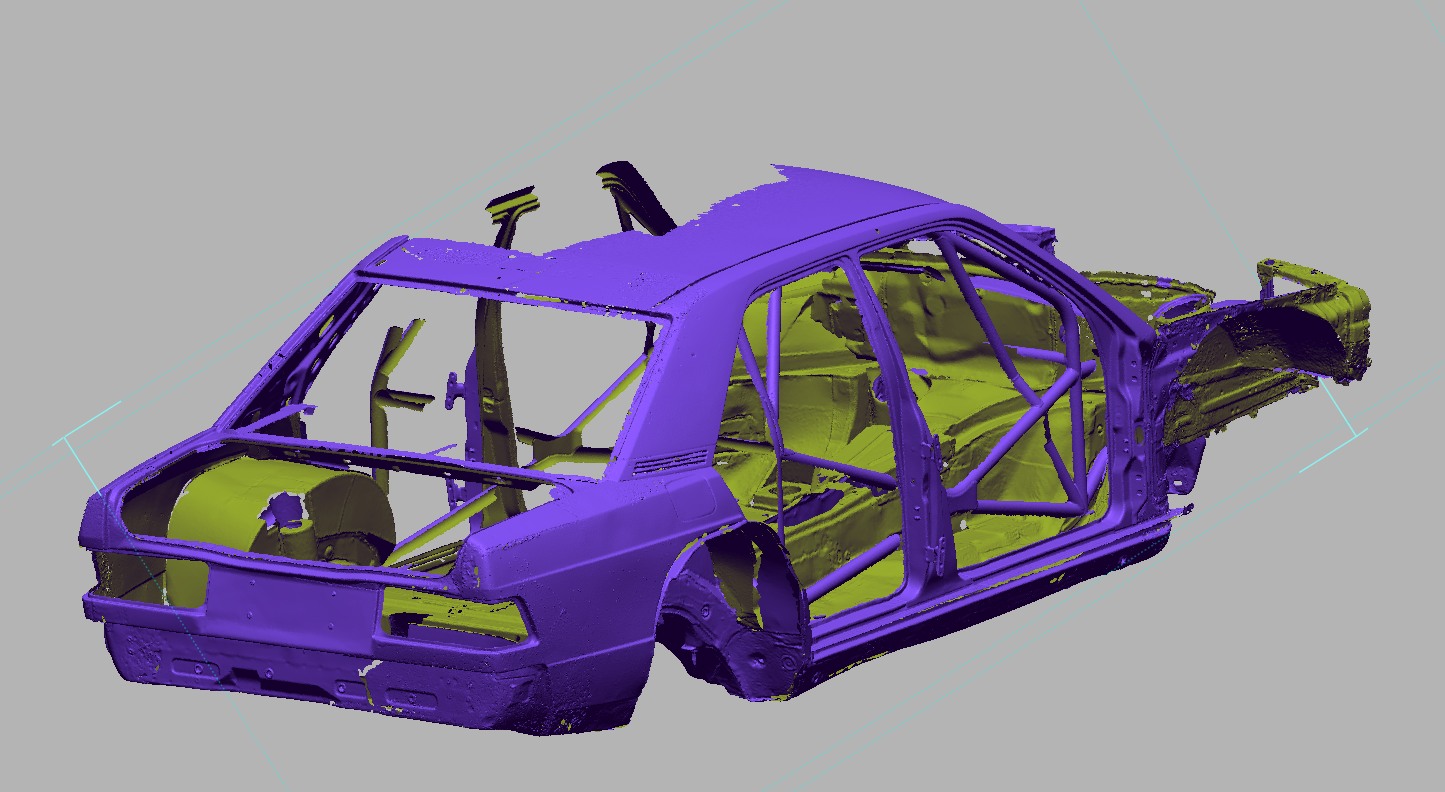
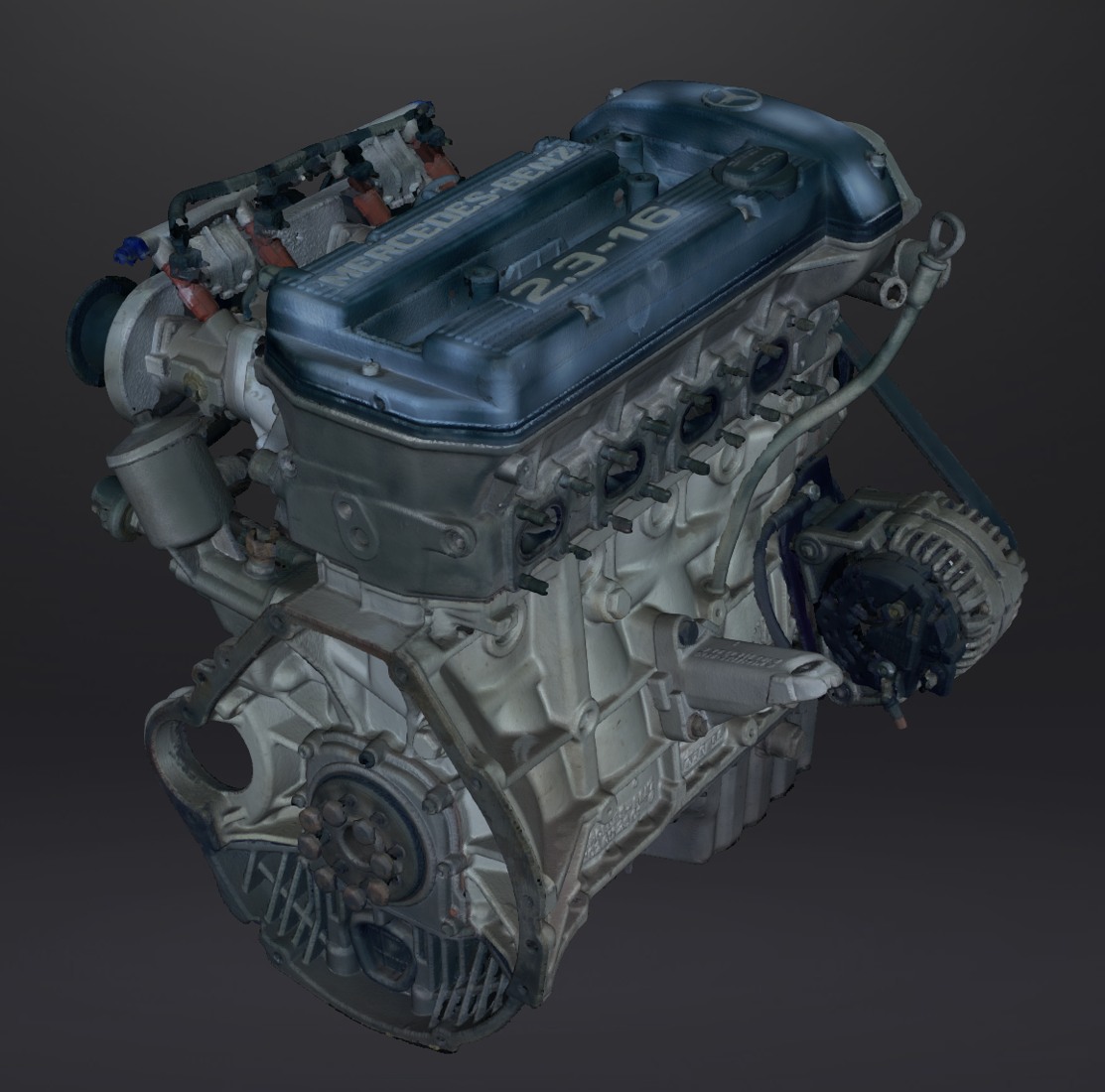
Engine and body-shell scanning and processing for a Mercedes DTM race car.
Product design & engineering support focused on mechanical parts and assemblies: editable 3D models, 2D technical drawings, and manufacturing file preparation.
Parametric SolidWorks models and 2D technical drawings from sketches, dimensions, or existing drawings. Editable parts, assemblies, and agreed manufacturing exports.
Custom brackets, housings, adapters, flanges, and mechanisms designed around function, component fit, and the intended manufacturing process.
Reconstruct existing components from supplied measurements and reference data, then adapt the design to your project.
Convert supplied scan data and meshes into editable CAD geometry for further design and manufacturing preparation.
Adapt CAD geometry and drawings to the agreed material and manufacturing process. Review relevant features, tolerances, and supplier requirements for CNC machining or 3D printing before handoff.
Prepare models and STL exports for the agreed print process, including part segmentation where needed. Material, print settings, and fit checks are confirmed with the print provider.
Develop the model, refine the design around manufacturing requirements, and prepare the agreed files for your production partner. Physical manufacturing, machine toolpaths, and production validation are scoped separately.
Start with photos, drawings, dimensions, existing CAD, or scan files. Tell us what the part needs to do.
We clarify fit, materials, manufacturing method, deliverables, pricing, and timeline before design begins.
Review the model and receive the agreed files. Manufacturing requirements are checked with your selected supplier.
Tell us about your part, your requirements, and how you plan to manufacture it. Let’s discuss your project by email.
Dmitrii Pavlov
DMT Engineering